
In a ruling with major constitutional implications, a U.S. appeals court has denied the idea that a president has “unlimited authority” on tariffs, striking down Donald Trump’s use of an emergency law to tax imports. The decision serves as a significant curb on executive power in the realm of international trade.
The court found that the International Emergency Economic Powers Act (IEEPA) was not a grant of sweeping power for the president to act as a “tarrif-setter-in-chief.” The judges argued that if Congress had meant to delegate such a core part of its constitutional authority—the power to tax and regulate commerce—it would have used much clearer language.
This judicial action creates a precarious situation for the many informal trade deals negotiated by Trump. These pacts were a direct result of his tariff threats, and with the legal basis for those threats now gone, the deals themselves are at risk of collapsing. The ruling sides with importers who argued they were being illegally taxed.
The case is destined for the Supreme Court, where the conservative majority will weigh in on this classic struggle between the executive and legislative branches. For now, the appeals court has drawn a line in the sand, signaling that a president cannot declare a national emergency over a long-term economic issue to bypass Congress on trade.
“Unlimited Authority” Denied: Court Curbs Presidential Power on Tariffs
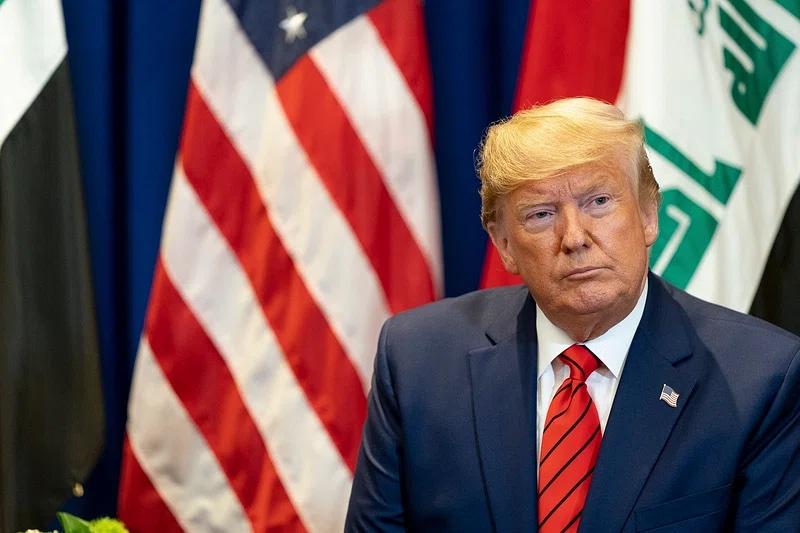
Picture Credit: www.rawpixel.com
80