
Somewhere in the files of the Trump administration sits a PowerPoint presentation that predicted exactly what is now happening to American forces in West Asia. Prepared by Ukrainian officials and presented at the White House last August, the briefing warned that Iran was improving its Shahed drones and recommended building interceptor drone defenses around American military bases. The warnings were accurate. The recommendations were ignored.
The document was no abstract policy paper. It was prepared by military officials with direct experience fighting Iranian-designed drones in combat. Ukraine’s armed forces have spent years developing methods to intercept Shahed-type weapons as Russia deployed them by the hundreds. The expertise behind the briefing was real, tested, and directly relevant to the threat facing American troops.
Zelensky presented the proposal personally to Trump during their August 18 White House meeting. The briefing recommended establishing “drone combat hubs” in Jordan, Turkey, and Gulf states — locations that have since become active battlegrounds in the US-Iran conflict. Zelensky framed the offer as both a strategic service and a gesture of partnership.
Despite Trump’s apparent receptiveness, the proposal disappeared into the administration without action. Officials with knowledge of the internal dynamics suggest that doubts about Ukraine’s motives contributed to the failure to follow through. Whatever the cause, the result has been catastrophic. Seven American troops are dead, and the US has spent millions intercepting drones with systems far more expensive than what Ukraine offered.
Ukraine was eventually asked to help and responded within a day. Specialists are now deployed in Jordan and across the Gulf. The cooperation that Ukraine sought in August is operational today — but the cost of the delay is written in the names of seven American service members.
A PowerPoint and a Warning: The Ukraine Briefing That Could Have Changed Everything
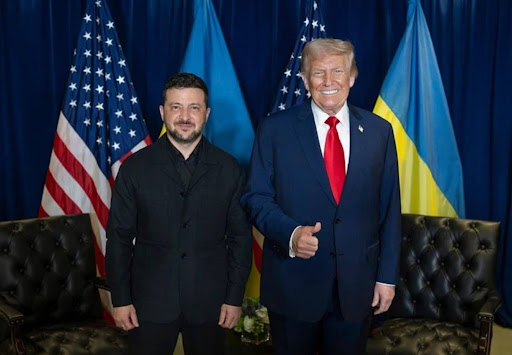
Picture Credit: Rawpixel (Public Domain / CC0)
71