
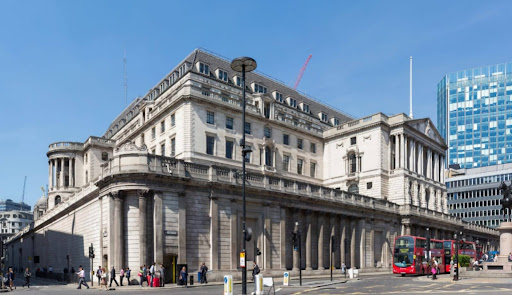
The energy cost reduction measures announced in Chancellor Reeves’s autumn budget face a fresh test as the Bank of England voted unanimously to hold rates at 3.75% on Thursday and warned that the Iran war could push energy prices sharply higher, potentially overwhelming the support already put in place. The monetary policy committee warned that the conflict’s energy market impact could push UK inflation above 3% and require rate hikes. Officials noted that the budget measures had been designed for a pre-war environment that no longer exists.
The autumn budget had included measures designed to reduce household energy bills as part of a broader strategy to ease cost-of-living pressures and support the government’s growth agenda. Those measures had contributed to expectations that inflation would fall to around 2% from April. The Iran war has changed that picture dramatically, introducing rising global energy prices that could overwhelm the budget’s protective measures and push bills higher than they would otherwise be.
Governor Andrew Bailey acknowledged the changed environment since the budget but focused his communication on the Bank’s immediate assessment and forward-looking warnings rather than on the political implications for fiscal policy. He warned that petrol prices were already rising and that household energy bills could follow if supply disruption continues. The Bank would act if necessary to return inflation to target.
Financial markets responded with a hawkish repricing. UK gilt yields rose, the FTSE 100 fell, and the pound strengthened against the dollar. Traders moved to price in rate hikes before year end, with June widely anticipated as the timing for the first increase. Analysts noted that the budget’s energy measures would need to be significantly enhanced to offset the war’s impact on bills.
For Chancellor Reeves, the test of her autumn budget measures is coming sooner and harder than anticipated. The war has created a scenario where additional support may be needed at a time when fiscal constraints are already tight. The political cost of allowing household energy bills to rise significantly after promising to reduce them is considerable, adding urgency to the government’s deliberations about how to respond.