
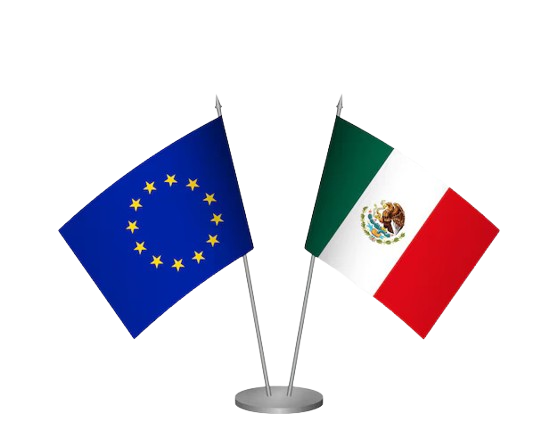
Mexico and the European Union have come together to sign a refreshed trade agreement designed to lower tariffs and enhance economic collaboration, as both parties seek to lessen their reliance on the United States amid former President Donald Trump’s tariff policies. The updated accord revamps a trade deal that has been effective since 2000 by eliminating several trade and investment barriers. This is anticipated to bolster market access for businesses while fortifying supply chains between Mexico and Europe.
The automotive sector, particularly auto parts, is a key element of this agreement, responding to the challenges posed by recent U.S. tariff measures. Additionally, the deal facilitates reduced tariffs and broader duty-free access for an array of products, including pasta, chocolate, potatoes, canned peaches, eggs, and certain poultry items. In a nod to European culinary heritage, Mexico has agreed to recognize protected European regional food products such as Parma ham and Roquefort cheese, which is expected to support European agricultural exports.
Mexican President Claudia Sheinbaum underscored the importance of diversifying trade and investment opportunities by “opening other horizons,” while European leaders hailed the agreement as a chance for both economies to become more competitive in the global market. The European Union currently ranks as Mexico’s third-largest trading partner, following the United States and China, and officials from both regions are optimistic that the updated agreement will strengthen economic links and draw increased investment between Europe and North America.
The revised agreement is seen as a strategic move for both parties to mitigate the impact of U.S. trade policies and enhance their economic independence. With a focus on modernizing the existing pact, the new terms aim to provide a more robust framework for businesses and investors, ensuring that both regions can benefit from improved market conditions and increased economic cooperation.