
A damning assessment from historian Theo Zenou encapsulates why Donald Trump is considered such a long shot for the Nobel Peace Prize. When describing the qualities the committee looks for—being a “bridge-builder,” embodying “international cooperation and reconciliation”—Zenou concluded, “These are not words we associate with Donald Trump.” This sentiment is widely shared among Nobel analysts.
Despite several nominations, primarily for his role in the 2020 Abraham Accords, Trump’s overall approach to foreign policy is seen as fundamentally misaligned with the prize’s ethos. The Nobel committee has a long history of honoring individuals and organizations that work to strengthen the international system, promote human rights, and foster a sense of global community.
Trump’s “America First” presidency, however, was defined by a challenge to that very system. He withdrew the U.S. from the Paris climate accord, the Iran nuclear deal, and various UN bodies. This record of anti-multilateralism is a significant barrier. As Nina Græger of the Peace Research Institute Oslo noted, his general rhetoric “does not point in a peaceful perspective.”
Even the praise for the Abraham Accords comes with caveats. While the deals were a notable diplomatic achievement, the committee prioritizes the durability of peace. Experts question whether these top-down agreements have resolved the underlying causes of conflict in the region, a key concern for a committee focused on long-term stability.
Ultimately, the Nobel Peace Prize is not just about stopping a war or signing a treaty; it is about advancing the cause of human fraternity. The consensus among those who study the prize is that Trump’s legacy is one of division, not reconciliation. His actions and rhetoric simply do not fit the profile of a Nobel laureate, making his chances of winning this year exceptionally remote.
“Not Words We Associate with Donald Trump”: Experts on Why He Won’t Win Nobel
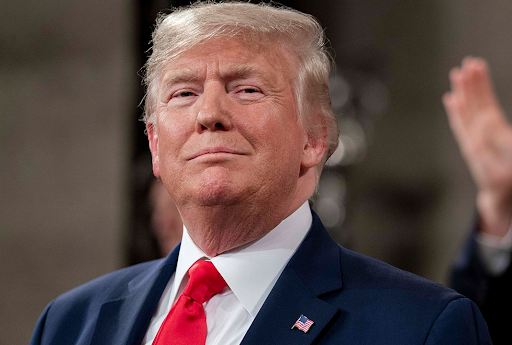
Picture Credit: www.rawpixel.com
82