
A major conflict between environmental ambitions and economic security has culminated in the UK government weakening its electric car sales rules. The decision came after carmakers claimed the original policy would destroy British jobs and drive away investment, a claim fiercely disputed by climate campaigners.
Automotive firms like JLR and Nissan warned that the Zero Emission Vehicle (ZEV) mandate was forcing an unsustainably rapid shift. They argued that high compliance costs and weak consumer demand were creating a perfect storm that threatened the future of their UK factories and the thousands of people they employ.
The industry’s lobbying group, the SMMT, framed the debate starkly, stating that the previous targets would have led to “de-industrialisation.” This potent message of job losses resonated within government, leading to the introduction of more lenient “flexibilities” to the sales mandate.
On the other side, advocates for the transition argue this is a false choice. They believe the mandate was successfully stimulating innovation and market growth, creating new green jobs. They have labelled the industry’s job warnings a “cynical tactic” designed to protect profits at the expense of necessary climate action.
Green Goals vs. Job Security: The Battle Over Britain’s Electric Car Future
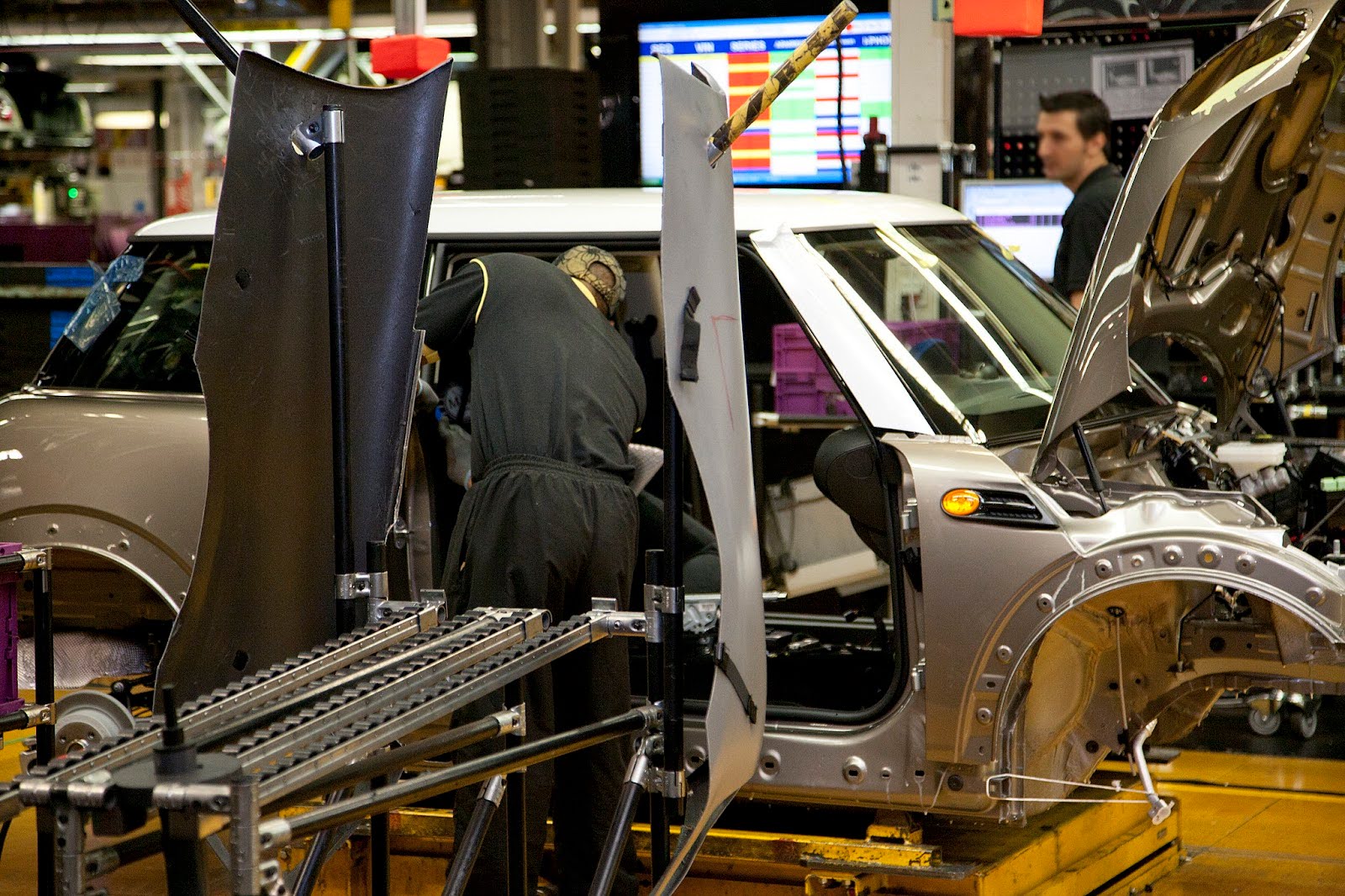
Picture Credit: www.flickr.com
82