
Donald Trump has escalated tensions with South Korea by threatening 25% tariffs on major exports, claiming Seoul’s parliament has failed to ratify a trade agreement from last year. The president’s statement specifically blamed the Korean legislature for not living up to commitments made in the bilateral deal.
The disputed trade framework was negotiated between Trump and South Korean President Lee Jae Myung in October 2024, featuring provisions for reduced US tariffs on Korean vehicles from 25% to 15%. In exchange, Seoul committed to substantial investments in American industries.
South Korea’s government maintains that the agreement was structured as a non-binding memorandum of understanding, though political pressure is forcing reconsideration of that legal interpretation. Both major parties are now working to expedite five bills through parliament that would enable the promised investments.
The automotive industry stands to lose the most from potential tariff increases, as the sector accounts for 27% of South Korean exports to the United States. Stock market volatility following Trump’s announcement reflected investor concern about the threat’s implementation and economic impact.
This tariff warning fits within Trump’s broader strategy of using trade policy as a primary foreign policy tool in his second term. International economics experts note that the unpredictability of such announcements creates challenges for businesses attempting to make long-term investment decisions.
Trump Escalates Against South Korea with 25% Tariff Ultimatum Over Trade Pact
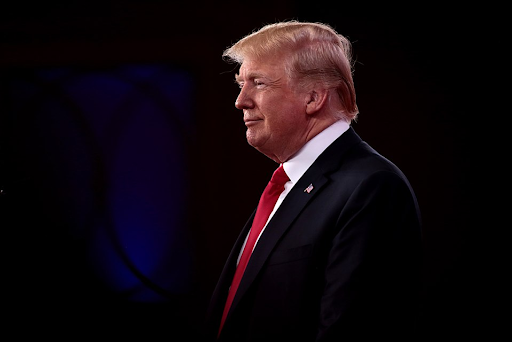
Photo by Gage Skidmore from Peoria, AZ, United States of America, via wikimedia commons
103