
The European Parliament has officially suspended the US trade deal ratification, directly responding to President Trump’s threat of 10% tariffs unless Europe backs his Greenland acquisition plans. This decision marks the most substantial material pushback Brussels has demonstrated against what multiple European leaders last week termed blackmail tactics.
Bernd Lange, who heads the European Parliament’s trade committee, established firm boundaries for future negotiations, declaring that threats involving Greenland must end before any possibility of compromise exists. The suspended deal had been designed to provide American exporters with zero-percent tariffs on many industrial products entering European markets.
Despite the trade deal freeze, the EU’s $750 billion energy purchase commitment remains fully intact. Lange confirmed this energy arrangement operates separately from the tariff negotiations, allowing Brussels to preserve energy cooperation while taking a principled stand.
The deteriorating diplomatic atmosphere became evident when Ursula von der Leyen, president of the European Commission, modified her travel plans following her parliamentary address. She cancelled a potential Davos meeting with Trump, returning directly to Brussels to orchestrate preparations for an emergency summit.
The Thursday evening emergency gathering will examine Brussels’ full array of potential countermeasures. European leaders will discuss imposing €93 billion in retaliatory tariffs and potentially deploying an anti-coercion instrument never before activated. Originally designed to counter Chinese economic pressure, this tool could enable the EU to restrict American businesses from accessing European markets. Specific potential targets include technology companies like Apple and Netflix, cryptocurrency platforms, aircraft manufacturers, and agricultural exporters, though European officials acknowledge consumers might face increased costs or limitations on accessing popular American products and services.
Apple, Netflix Among Potential Targets in EU Trade Retaliation
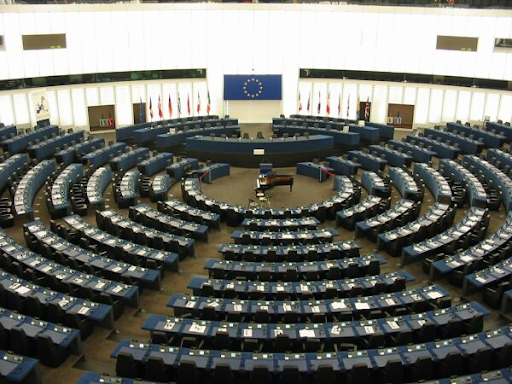
Photo by Cédric Puisney, via wikimedia commons
108