
The stage is set for a critical weekend of diplomacy as President Donald Trump’s envoys prepare to meet Russian officials in Miami, following Trump’s Thursday warning to Ukraine about the risks of delayed decision-making in peace negotiations. The president’s message emphasized that Russia’s current engagement in diplomatic discussions should not be taken for granted, suggesting that prolonged negotiations without resolution could prompt Moscow to revise or withdraw from positions it currently holds.
Trump’s public pressure on Ukraine comes at a strategically chosen moment, just days before his representatives engage directly with Russian officials. This timing suggests a coordinated approach: pressure Ukraine to consider compromises while simultaneously exploring with Russia what terms might be acceptable. The president’s warning that Russia tends to “change their mind” during extended negotiations appears designed to create urgency within Ukrainian decision-making circles, potentially making Kyiv more receptive to American mediation.
Steve Witkoff and Jared Kushner will lead the American side in weekend Miami discussions with Russian representatives, bringing insights from their recent two-day consultation session with Ukrainian delegates in Berlin. The succession of meetings—first with Ukraine, then with Russia—reflects a deliberate strategy of understanding each party’s positions and constraints separately before potentially attempting to bring them together. The choice of Miami as the venue for Russian talks adds a dimension of American territorial advantage to the negotiations.
Ukrainian President Zelensky and US officials have offered cautiously optimistic assessments of recent negotiating rounds, suggesting that dialogue has generated some positive momentum. However, Ukraine’s fundamental position on territorial questions remains unchanged and public: no peace agreement will recognize Russian control over any Ukrainian sovereign territory. Ukrainian leadership has been particularly emphatic about the Donbas region, which has been central to the conflict since 2014 and where some of the war’s fiercest fighting has occurred.
Russia’s negotiating demands directly contradict Ukraine’s non-negotiable positions, creating a seemingly intractable impasse. Moscow currently controls Crimea, annexed in 2014, and exercises varying degrees of authority over portions of Donetsk, Luhansk, Zaporizhzhia, and Kherson following the 2022 invasion. Beyond seeking Ukrainian recognition of these occupations, Russia insists on complete Ukrainian military withdrawal from all of Donbas, including territories currently under Kyiv’s control. US officials familiar with the negotiations report that Russian delegates have shown little interest in moderating these core territorial demands. This fundamental incompatibility suggests that the weekend’s Miami talks face daunting challenges, with Trump’s warning to Ukraine potentially reflecting recognition that bridging the divide will require difficult Ukrainian compromises, even as Russia demonstrates minimal flexibility on its own core demands.
Weekend Showdown: Trump Warns Ukraine as US Envoys Prepare for Miami Russia Talks
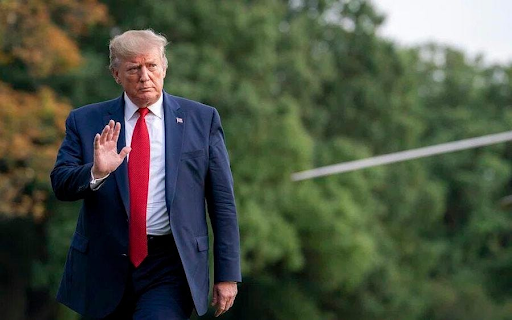
Picture Credit: www.rawpixel.com
79