
With the announcement of the Pixel 10, Google is making a powerful statement about the future of AI and user privacy. The phone’s marquee feature, “Magic Cue,” runs entirely on the device thanks to the new Tensor G5 chip, meaning your personal data doesn’t need to be sent to the cloud for processing.
This on-device approach is a significant differentiator. Magic Cue works by securely scanning your personal information stored in apps like Gmail and Calendar to provide proactive suggestions. For example, it can display your flight details when you call an airline or show your schedule when making plans. Because this analysis happens locally, your sensitive information stays on your phone.
Analysts note this is a more effective positioning of on-device AI than many rivals have achieved. Google is leveraging its unique advantage: most users already have their lives populated in Google’s apps. By now processing that data locally, it offers a compelling combination of deep personalization and enhanced privacy.
This privacy-first approach is central to the entire new lineup, which includes the Pixel 10, 10 Pro, and 10 Pro Fold. Paired with powerful new cameras and a more robust ecosystem including the Pixel Watch 4 and Buds 2a, Google is betting that intelligent, private, on-device AI is the future of mobile computing.
How Google’s On-Device AI in Pixel 10 Is a Game-Changer for Privacy
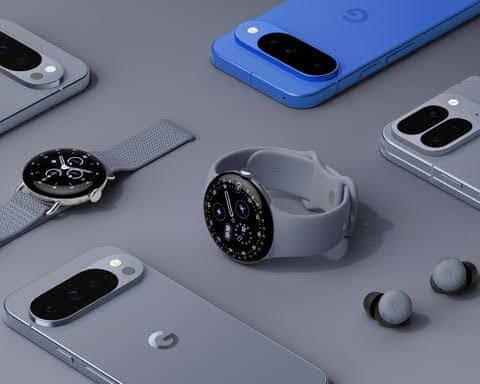
Picture Credit: Google
78