
Apple has once again claimed the “thinnest ever” title with its new iPhone Air, a 5.6mm sliver of titanium and glass. At its annual showcase, the company celebrated this design feat as the “biggest leap ever” for the iPhone. Priced at $999, the device is undeniably an engineering triumph, but it raises a critical question: is extreme thinness still a top priority for smartphone users?
In recent years, consumer demand has shifted towards more practical features like multi-day battery life, camera versatility, and software intelligence. While Apple promises the iPhone Air doesn’t compromise on its battery, the relentless pursuit of a slimmer profile can be a game of diminishing returns if it doesn’t solve a core user problem.
The rest of Apple’s announcements suggest an awareness of this. The entire iPhone 17 lineup gets a battery life boost and a new dual-filming camera mode, both highly practical upgrades. The AirPods Pro 3 add live translation, a genuinely useful tool, and the Apple Watch Series 11’s hypertension alerts address a real-world health concern. These features seem more aligned with modern user needs.
As the iPhone Air prepares to hit the market on September 19, its reception will be a fascinating test of consumer priorities. Will its elegant, wafer-thin design captivate buyers, or will they see it as a novelty, overshadowed by the more functional, if less flashy, upgrades in the wider tech landscape?
Apple’s iPhone Air: The Thinnest Ever, But is it What Consumers Want?
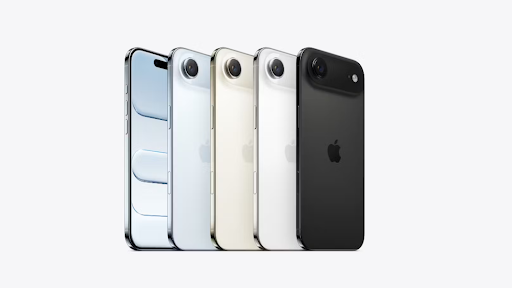
Picture Credit: www.heute.at
94