
Hidden within the reports of foldable phones and titanium prototypes is a subtle but significant detail: the introduction of an iPhone “e” model. As part of a major overhaul of its lineup, Apple is planning to expand its offerings to seven models by 2027. The “e” variant, expected to launch in the spring alongside the standard iPhone 18, represents a renewed attack on the mass market. By creating a dedicated entry-level or efficiency-focused device and giving it its own launch window, Apple is looking to capture the segment of buyers who have felt alienated by the rising prices of the Pro models.
The timing of this release is strategic. Launching the “e” model and the standard iPhone 18 in the spring separates them from the expensive, high-end fanfare of the fall. In the past, cheaper iPhones announced alongside flagship “Pro” models often felt inferior by comparison. A standalone spring event allows Apple to frame the “e” model as a capable, desirable device in its own right, highlighting its value proposition without the immediate shadow of a $1,500 competitor sitting next to it on the keynote stage.
This move contributes to Apple’s goal of revenue stabilization. The fall season is traditionally a cash cow due to the holidays, but the spring and summer quarters often see a dip in sales as consumers wait for the next big thing. A compelling, affordable “e” model released in the spring provides a mid-year sales boost. It targets students, budget-conscious upgraders, and enterprise fleets—buyers who purchase based on value and timing rather than hype. This ensures a steady stream of revenue during what is usually the quietest part of Apple’s fiscal year.
The “e” model also plays a role in the broader ecosystem strategy. With the lineup expanding to seven models, including niche devices like the experimental iPhone Air and the luxury foldable, the “e” serves as the anchor. It is the accessible entry point that brings users into the iOS walled garden, where they will eventually subscribe to services like iCloud and Apple Music. It balances the portfolio, ensuring that while Apple chases the future with foldables, it doesn’t lose the present-day volume drivers.
Ultimately, the “e” era signifies that Apple is done leaving money on the table. By offering a specific device for the budget-conscious market and giving it a dedicated launch platform, the company is signaling that it wants to own every tier of the smartphone hierarchy. Whether a customer wants to spend $400 or $2,000, the 2027 lineup guarantees that Apple has a fresh, relevant product ready for them, released at a time that maximizes its market impact.
The “e” Era: Apple’s New Plan for Mass Market Dominance
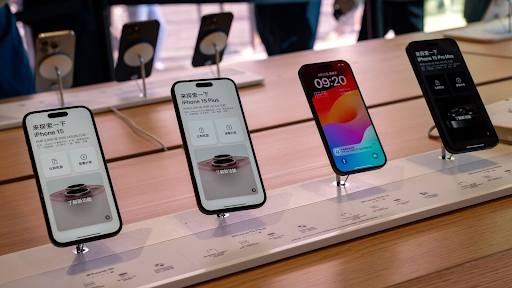
Picture Credit: universe.roboflow.com
86
previous post