
The fitness industry’s promotion of protein as a weight loss panacea has created unrealistic expectations among dieters, leading many to believe that simply increasing protein intake will automatically result in fat loss. This oversimplification ignores the complex interplay of factors that determine weight loss success.
The quality of protein sources plays a crucial role in determining whether increased protein consumption will support or hinder weight loss efforts. Many individuals unknowingly choose proteins that are calorie-dense and nutrient-poor, effectively sabotaging their goals while believing they’re making healthy choices.
The modern tendency to rely heavily on protein supplements and processed protein products can backfire by reducing overall dietary satisfaction and leading to compensatory eating behaviors. These products often fail to provide the complex satiety signals that whole food proteins offer.
Effective protein-based weight loss requires a more nuanced approach that considers protein within the context of overall nutrition, emphasizing food quality, portion awareness, and the maintenance of caloric balance.
Breaking Down the Protein Weight Loss Myth: What Actually Works
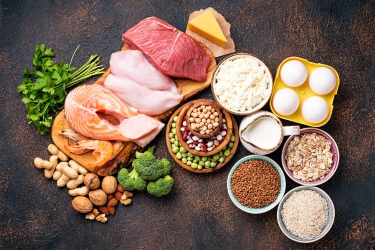
Picture credit: www.myvillagegreen.com
105